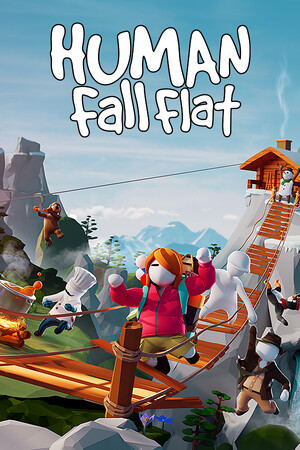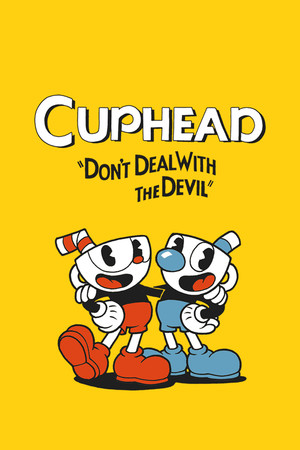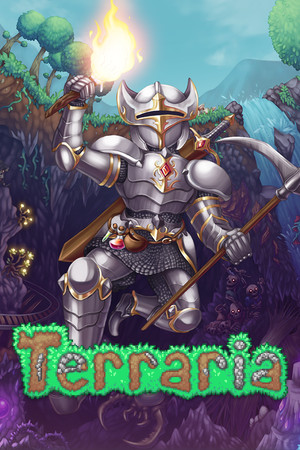


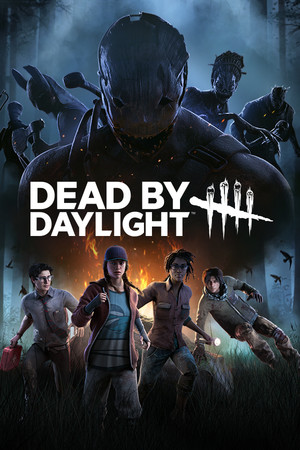

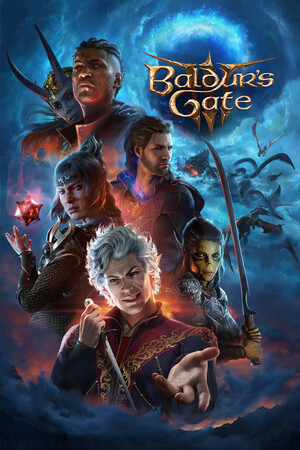

Four players is the most common size for a co-op group, and the size where store pages mislead most often. “1–4 players” can mean four online but two on one screen, or four in a side mode and two in the campaign. The list below shows co-op games in our catalogue that support at least four players. The rest of this page explains how to check that a game fits your four before anyone pays.
The list is live. It includes every game where at least four people can play together in some way, online or on one screen. Open a game to see which.
What “4 players” can mean
A single number on a store page hides several questions. Before you buy, look for answers to each one.
- Online or on one screen? These are often different numbers. A game can take four players online and only two on one screen. Our game pages give the two counts separately.
- Which mode? The full campaign is the part most groups want. If four players only fit in a horde mode or a versus mode, the box is not wrong, but it may not be what you want.
- Is there a minimum? Some games need at least two or three players to start. That matters on the nights when only two of you turn up.
- Whose progress counts? In some games only the host keeps story progress. The other three replay chapters later on their own save. The store page or the developer’s FAQ usually says.
- Does it scale? A game tuned for two can feel crowded with four: one camera, one door, four people. Check whether enemies and puzzles change with the group size.
Online, couch or both
Playing as four online is the simplest setup to check. Everyone needs their own copy and their own device. On consoles, paid games usually need a subscription for online play: PlayStation Plus for most PS4 and PS5 games, Nintendo Switch Online for many Switch games, and on Xbox the Game Pass tiers that include online console multiplayer. Count that cost too.
Four on one screen needs four controllers and a screen big enough to split four ways. Our couch co-op guide covers seating, controllers and screen size.
A mix, with two people on a couch and two online, is rarer. If your group splits like that, look for it on the store page, in plain words. Don’t assume it.
If your four play on different platforms, crossplay decides everything. A game being on all your platforms isn’t enough: check on its store page that your platforms play together before anyone buys.
The crossplay guide explains the settings and accounts that stop mixed groups from finding each other.
What four copies cost
The real price of a co-op game is the price times the group. Our game pages show the price per person and the total for the group, and the total changes when a game goes on sale.
A few ways to bring the total down:
- Wait for a sale together. A discount on one copy is small. On four copies it can decide whether the group buys at all. The games on sale page is filtered for four.
- Stream a local game. On Steam, Remote Play Together lets one person who owns a game with local multiplayer stream it to friends over the internet. Steam says up to four players can join, more with fast connections. It only works with games that support it.
- Don’t count on family sharing. In Steam Families, two people who want to play the same game at the same time need two copies.
- Look at free games. Our free co-op games page explains what “free” can hide.
Session length and late arrivals
Four calendars rarely line up. Two things make a four-player game easier to keep going.
Drop-in, drop-out. If a friend can join a game already in progress, the night starts when the first two are ready. If everyone has to start together, the group waits for the slowest person every time. Our game pages say whether friends can join mid-game when the developer has told us.
A session that fits your evening. A game where a run takes forty minutes suits a weeknight. A game that only saves at the end of a long chapter needs a weekend. Where the developer gave a session length, the game page shows it.
How this list is built
The list above is a filter of our catalogue: at least four players, sorted by votes from players. Change the sort or add filters on the full list.
Games reach the catalogue in two ways. Developers submit their own games, and a person reviews each one before it goes live. Our editors also add co-op games from their store pages and public sources. Each page says where its facts come from, and the picker gives small games the same chance as big ones.
Each game page says where its facts come from: its developer or our editors. If a player count looks wrong to you, tell us and we will check it.